Visit Divriği
Choose a route that fits your time, from the Great Mosque and Hospital of Divriği to local food, handcrafts and the valleys, then reach current local options for your visit.
Divriği Pazarı is a local marketplace, not a booking or payment intermediary: you contact each provider directly.

Places to visit in Divriği
- Great Mosque and Hospital of Divriği
Built in 1228–1229 in the Mengücek period; on the UNESCO World Heritage List since 1985.
- Divriği Castle
Its surviving parts date to the 13th century, on a rocky hill above the town and the Çaltı valley.
- Castle Mosque (Kale Camii)
Inside the castle, commissioned in 1181; among the earliest Turkish mosques in Anatolia.
- Sitte Melik tomb
An octagonal, cut-stone tomb (kümbet) built in 1196.
- Hüma Hatun Street
Opened in 2019; women artisans sell what they make with their own hands.
- Divriği Glass Viewing Terrace
A glass platform and wooden walkways opened in 2021, on a hill over the Çaltı Canyon.
- Mursal Dam
Built 1986–1992; the reservoir area has public picnic spots.
Things to do in Divriği: plan by time
How much time do you have?
For a short stop — for example if you arrive by train and continue the same day. You may need a car or transfer between the railway station and the town centre; plan your time around that.
Great Mosque and Hospital of Divriği
Built in 1228–1229 in the Mengücek era and inscribed on the UNESCO World Heritage List in 1985, it is famous for stone carving with few equals anywhere. Even on a short visit, give the monumental portals your time.
The castle from below
The surviving parts of Divriği Castle date to the 13th century, on a hill above the town. On a short stop it is more realistic to take in the view from below than to climb.
Hüma Hatun Street
Opened in 2019 and run by women artisans, the street offers handmade gifts and local flavours — a natural short stroll and browse.
A full day is enough to see Divriği's main sights at an unhurried pace.
Morning: the Great Mosque and Hospital
Take the monument slowly — the carved portals and stonework are the heart of any Divriği visit.
Midday: Hüma Hatun Street and local food
Browse the women artisans' handmade work, and look out for Divriği Pilavı / Alatlı Pilavı — the local dish granted a geographical indication in 2020.
Afternoon: the castle and stone mansions
The climb to the castle is steep in places; comfortable shoes help. Walk back through the old streets of traditional Divriği houses, where the late light brings out the detail in their stone façades.
With an overnight stay you can combine the town centre with the surrounding countryside — accommodation listings are on this page.
Day 1: the town
The Great Mosque and Hospital, the castle, the stone mansions and Hüma Hatun Street comfortably fill a day.
Day 2: villages and landscape
Valleys, villages, the glass terrace over the Çaltı Canyon and the reservoir landscape of the Mursal Dam (built 1986–1992) are reachable by car; a local guide or transfer listing makes exploring the surroundings much easier.
Meet the makers
If you contact local-product and craft producers through their listings in advance, you can combine your visit with buying directly from the maker.
How to get to Divriği
Divriği has a railway station: the town lies on the Sivas–Erzincan railway line. If you arrive by rail with limited time, the 2–3 hour itinerary on this page is built for that case.
By road, Divriği is reached via Sivas. For the station–centre leg and countryside excursions, a car or a transfer listing makes the visit easier.
For current train services and times, check the official TCDD Taşımacılık source; services change by season. Verify the current status before you go.
Practical notes for your visit
Divriği is a hilly town: the walk up to the castle and the old streets are steep in places. Comfortable shoes help, and some parts can be tiring for older visitors or families with small children.
Without your own car, a transfer or local ride between the station, the town centre and surrounding villages is genuinely useful — see the guide-and-transfer listings.
Winters are cold and snowy; spring and autumn can be cool. Dress for the season, and in winter check road conditions.
Marketplace listings are written in Turkish and providers are local. Confirm language, price, dates, availability, meeting point and what the service includes directly with the provider before committing to anything.
Arriving in Divriği Is Only the Beginning
Stand before the stone, sit at the table, listen to the maker and read the town from its valley. Divriği begins to open through these four encounters, not simply when the road ends.
Where Stone Holds Its Weight
In Divriği, stone finds its place not only through weight but through the delicacy given to it by the maker. As the light turns across the Great Mosque portals, different motifs come forward.
Cultural heritage
Divriği's brightest era was the Mengücek period (roughly 1150–1250). The Great Mosque and Hospital of Divriği was built in 1228–1229; its stone carving has few equals anywhere, and it entered the UNESCO World Heritage List in 1985.
The surviving parts of Divriği Castle date to the 13th century: a four-gated, cut-stone fortress on a rocky hill above the town and the Çaltı valley. Inside it, on the cliff edge, the Castle Mosque (Kale Camii) was commissioned in 1181 by the Mengücek ruler Seyfeddin Şehinşah and is among the earliest Turkish mosques in Anatolia.
The octagonal, cut-stone Sitte Melik tomb (kümbet), built in 1196 for Emir Seyfeddin Şehinşah, is one of the finest Mengücek funerary monuments. Traditional stone mansions keep the character of the old streets alive.
Visiting arrangements and opening conditions of the Great Mosque, Hospital and castle can change; check current information with the provincial culture and tourism directorate before you go. Verify the current status before you go.
A Table That Leaves a Memory
Divriği Pilavı belongs to weddings, communal gatherings and tables meant to be shared. Its layered dish carries the memory of meals eaten together across generations.
Local food and handmade products
Divriği's traditional dish, Divriği Pilavı / Alatlı Pilavı, was registered as a geographical indication by the Turkish Patent and Trademark Office in 2020 (registration No. 564). On Hüma Hatun Street, opened in 2019 and run by women artisans, many women sell what they make with their own hands. For regional products such as cheese, butter, honey, erişte and tarhana, browse the local-products listings; for carpets, kilims, cecim weaving and handmade gifts, browse the crafts listings — and contact the producer directly.
Made by Hand, Finished by Story
A knot in a carpet, a pattern in a kilim, color in cecim. On Hüma Hatun Street, look beyond the finished piece and listen for the hand, patience and story behind it.
Weaving and living crafts
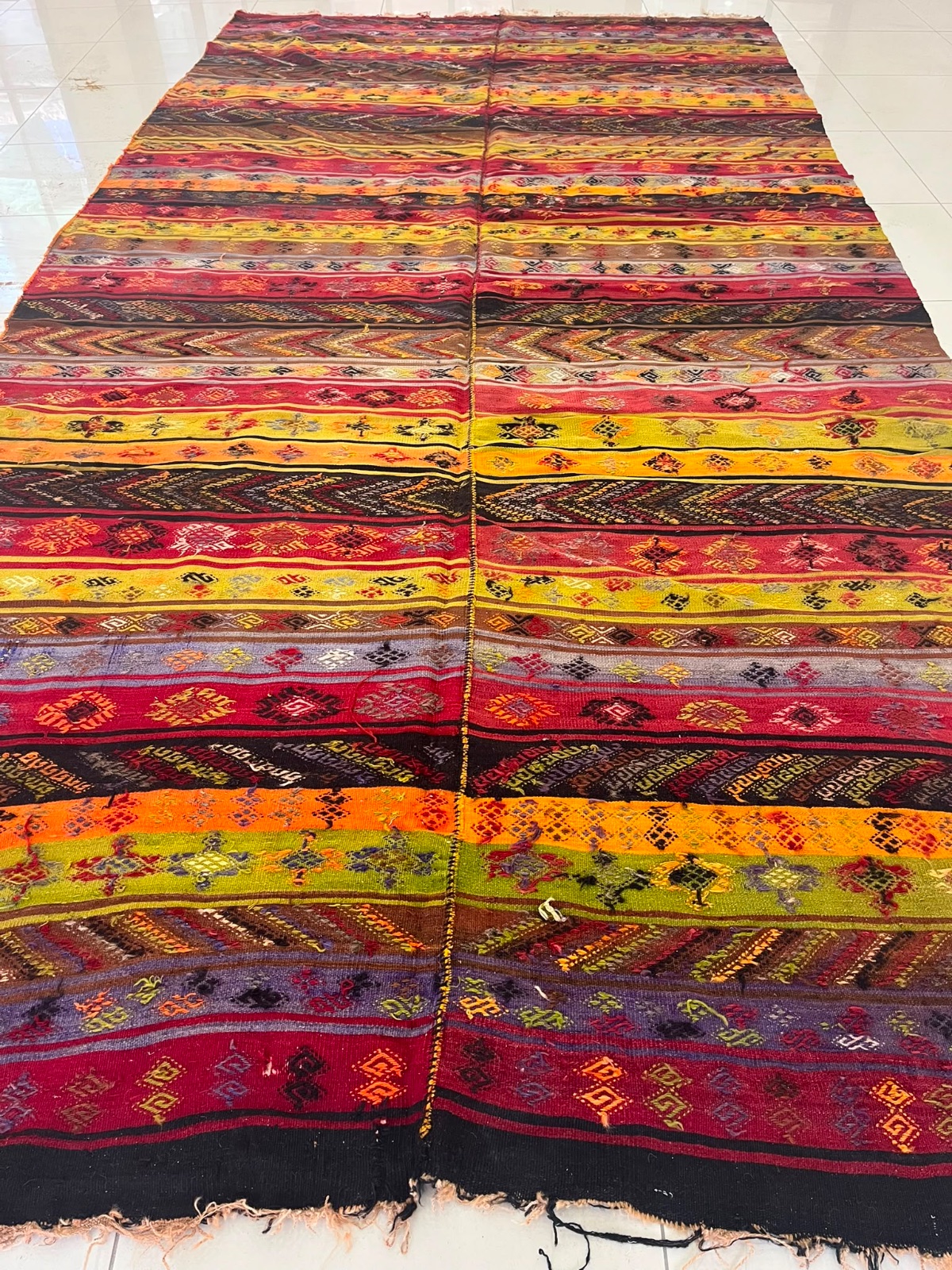
Divriği's carpet (halı), kilim and cecim (cicim) weaving is a hand craft passed down through generations. Woven cushions, household textiles and their motifs are part of the region's living culture — not a museum piece.

Today this craft is carried largely by the region's women producers. On Hüma Hatun Street, opened in 2019, women sell weaving and handmade goods they produce themselves.
The best way to learn how a piece is made is to ask the maker: craft listings carry the producer's own contact details, so you can reach local makers directly and buy directly from them.
- Halı
- Kilim
- Cicim
Where the Town Leans into the Mountains
The castle holds the hill, the Great Mosque rests on the slope and the Çaltı runs below. From above, Divriği shows how stone, water and roads have found their places together.
Nature and the outdoors
Divriği is ringed by high mountains; valleys, villages and highland views are a natural part of any visit.
Glass Viewing Terrace
Looking down from the Glass Viewing Terrace, the Çaltı becomes a slender ribbon of water between the rocks. For a moment, it can feel like viewing the surface of another planet from afar. Lift your gaze, and the roofs and gardens of Divriği come into view.
At a glance
- 2021
- 1200 m
- 98 m²
- About 200 m above the ground
- Oyuktepe, on the hill over the Çaltı Canyon
Opening hours and the entrance fee of the Glass Viewing Terrace can change. Verify the current status before you go.
Photographs

The reservoir of the Mursal Dam (1986–1992) is another nature stop: the dam area has public picnic spots set around freshwater fountains. In season, locals forage mushrooms in the surrounding terrain — do not pick any mushroom you cannot identify without local knowledge.
Beyond the Glass Viewing Terrace's built walkway, we have no verified information about officially marked or maintained hiking routes in the wider terrain. Route records found online are mostly user-generated content — they are not official or safety-certified routes.
If you plan hikes or countryside excursions, local knowledge is the safest guide: the guide-and-transfer listings connect you directly with local guides.
In mountain terrain the season and weather can change quickly; verify current road and weather conditions before camping or long walks. Verify the current status before you go.
Current local options
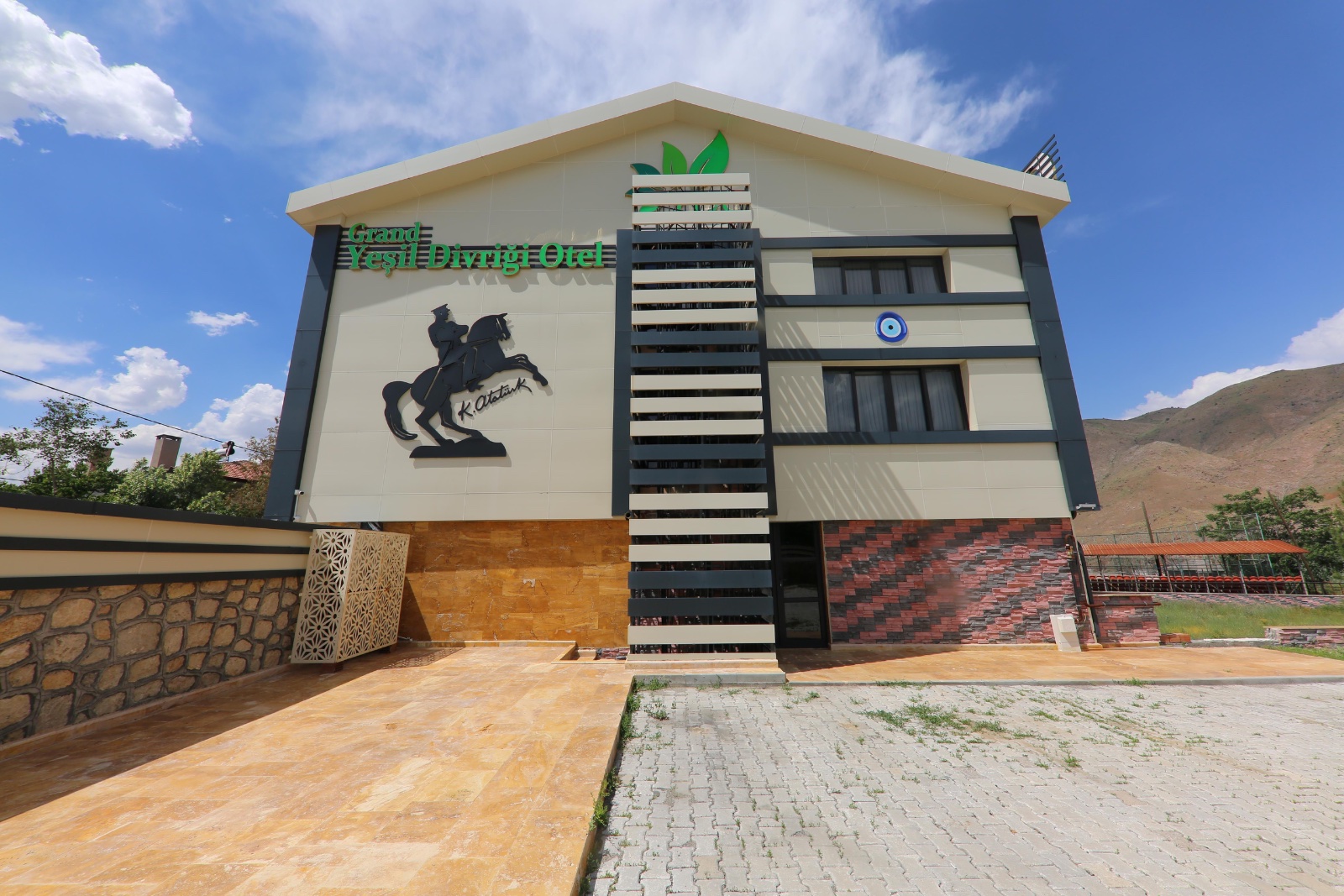
Accommodation
Hotels, guesthouses, apartments and daily stays
Tours, Guides & Transfers
Local guiding, cultural tours, village experiences and transfers
Local Products
Dairy, honey, erişte, tarhana and homemade regional food

Handicrafts
Carpets, kilims, cecim weaving and handmade gifts
Nuri Demirağ Air Campus
Nuri Demirağ Air Campus brings sport and general aviation together with the heritage, landscape and everyday life of Divriği. Pilots and clubs arriving on eligible private or general-aviation flights can combine a flying programme with a visit to Divriği.
Arrive with your own aircraft and you can build both a flying programme and a Divriği programme around the same visit.

A Journey to Divriği by Air. A visit to Divriği may be planned using an eligible non-commercial private or general-aviation aircraft, subject to the current Air Campus conditions and the required pre-flight operational coordination.
How the marketplace works
The Konaklama (accommodation) category lists hotels, guesthouses, apartments and daily stays; the Gezi, Rehber & Transfer category lists local guiding, cultural tours, village experiences and transfers.
Every listing is preliminary information. You contact the provider directly; price, dates, availability and service details are agreed between you and the provider.
Frequently asked questions
- Where can I stay in Divriği?
- Browse the accommodation listings — hotels, guesthouses, apartments and daily stays — and contact the provider directly to discuss availability and details.
- Does Divriği Pazarı handle payments or act as an intermediary?
- No. Divriği Pazarı is not a booking or payment intermediary; it connects you directly with local providers. Price and availability are agreed between you and the provider.
- Can I find a local guide, cultural tour or transfer?
- When published listings are available, the Tours, Guides & Transfers category shows local guiding, cultural tours and transfer options. Contact the provider directly.
- Can I get to Divriği by train?
- Yes — Divriği has a railway station on the Sivas–Erzincan line. Check current services and times with the official TCDD Taşımacılık source. If your stop is short, use the 2–3 hour plan on this page.
- What are the main things to see in Divriği?
- The headline sights are the UNESCO-listed Great Mosque and Hospital of Divriği, the 13th-century Divriği Castle with the 1181 Castle Mosque inside it, the Mengücek-era Sitte Melik tomb (1196), the traditional stone mansions, the women-run Hüma Hatun Street and the glass viewing terrace over the Çaltı Canyon (opened 2021). The surrounding mountains, valleys and the Mursal Dam reservoir landscape are part of the visit. The 2–3 hour, one-day and weekend plans on this page put these stops in a realistic order for a day trip or a longer stay.
- Where is the Divriği Glass Viewing Terrace, and when did it open?
- The Glass Viewing Terrace is on Oyuktepe, the hill over the Çaltı Canyon in Divriği, and opened in 2021. The site has 1200 m of wooden walkways; the suspended part of the glass terrace covers 98 m² and is about 200 m above the ground. Opening hours and entry fees can change, so check before you go.
- How much time should I plan for Divriği?
- The Great Mosque and Hospital plus Hüma Hatun Street fit into a short stop; adding the castle, the stone mansions and the surroundings makes a full day trip or an overnight weekend the more comfortable choice.
- Do providers speak English?
- Do not assume so: listings are written in Turkish and providers are local. Confirm language along with price, dates and availability directly with the provider before you commit.
- Are the businesses on the marketplace verified?
- Listings are the provider's own statement. Divriği Pazarı does not separately approve, license or inspect businesses — talk to the provider directly and confirm the details before buying any service.
- What local food and crafts should I look for?
- Divriği Pilavı / Alatlı Pilavı carries a geographical indication registered in 2020. For regional food, browse the local-products listings; for carpets, kilims, cecim weaving and handmade gifts, browse the crafts listings and buy directly from the maker.